Global reliable toilet paper manufacturer & wet tissue supplier with over 15 years OEM&ODM experience



The Great Toilet Paper Debate: Softness, Sustainability, and the Search for the Perfect Roll**
2025-05-06
It's a seemingly simple purchase, yet the choice of toilet paper can spark surprisingly strong opinions. Are you a single-ply minimalist or a three-ply devotee? Do you prioritize cloud-like softness or rock-solid strength? And increasingly, how does the environmental impact of your roll weigh on your decision? The "great toilet paper debate" is a quiet but persistent one, reflecting our diverse needs, preferences, and growing awareness of sustainability. Let's dive into the factors that influence our choices and explore the ongoing evolution of this essential product.
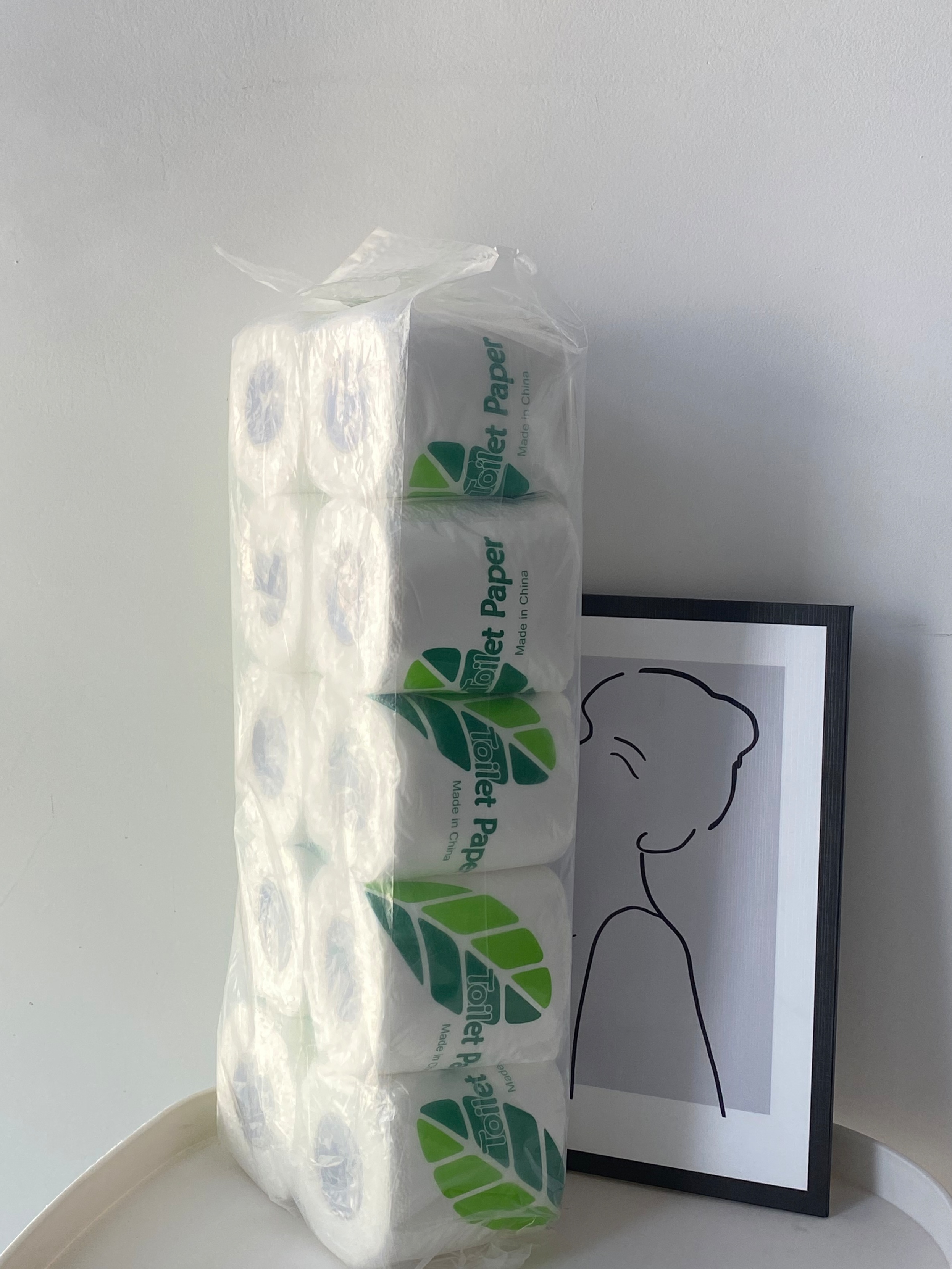
**The Quest for Softness: A Tactile Obsession**
For many consumers, softness is the holy grail of toilet paper. The feeling against the skin is paramount, and manufacturers invest heavily in achieving that plush, luxurious feel. But what makes toilet paper soft?
It's a combination of factors:
* **Fiber Type:** Hardwood fibers, being shorter and more flexible than softwood fibers, contribute significantly to softness. High-quality toilet paper often uses a blend of both.
* **Creping:** As mentioned in the previous article, the creping process creates those tiny folds that give toilet paper its characteristic texture and contribute to softness. More aggressive creping can lead to a softer feel.
* **Embossing:** The patterns embossed on the paper create air pockets between the layers, adding to the perceived softness and bulk.
* **Number of Plies:** More plies generally mean a thicker, softer feeling roll due to the increased material and air trapped between layers. Two-ply and three-ply are significantly softer than single-ply.
* **Chemical Additives:** Some manufacturers use softening agents in the pulp or applied to the surface of the paper to enhance the soft feel.
The pursuit of softness has led to a constant innovation in toilet paper technology. Companies compete to create the "softest ever" roll, using advanced manufacturing techniques and carefully selected fiber blends. This focus on softness reflects a consumer desire for comfort and a pleasant bathroom experience.
**Strength and Absorbency: The Practical Considerations**
While softness is highly valued, toilet paper also needs to be strong enough to perform its function without tearing easily. Strength is particularly important for preventing "breakthrough" and ensuring a clean wipe. Factors influencing strength include:
* **Fiber Length:** Longer softwood fibers provide tensile strength, making the paper more resistant to tearing.
* **Fiber Bonding:** The way the fibers are bonded together during the manufacturing process affects the paper's overall strength.
* **Number of Plies:** More plies provide increased strength as the layers reinforce each other.
Absorbency is another critical performance metric. A more absorbent toilet paper can mean using less product per wipe, which can be more economical and potentially more environmentally friendly in the long run. Absorbency is influenced by:
* **Fiber Structure:** The porous nature of paper fibers allows them to absorb liquids.
* **Creping and Embossing:** These processes create surface area and air pockets that facilitate absorption.
* **Chemical Treatments:** Some chemicals can be added to enhance absorbency.
Finding the right balance between softness, strength, and absorbency is key for manufacturers. A paper that is too soft might tear easily, while one that is too strong might feel rough. Consumers often have to compromise based on their individual priorities.
**The Environmental Imperative: A Growing Concern**
In recent years, the environmental impact of toilet paper has become a major point of discussion and a significant factor in consumer choice. The traditional production of toilet paper from virgin wood pulp has a substantial ecological footprint.
The key environmental concerns are:
* **Deforestation:** Millions of trees are harvested annually, contributing to habitat loss, biodiversity reduction, and climate change. Forests, especially old-growth forests, are vital carbon sinks.
* **Water Usage:** The manufacturing process requires large amounts of water, putting a strain on water resources in some regions.
* **Energy Consumption:** Significant energy is used in pulping, drying, and other stages of production.
* **Chemical Pollution:** Chemicals used for pulping and bleaching can pollute waterways if not properly treated.
This growing awareness has fueled the demand for more sustainable toilet paper options.
**Sustainable Alternatives: Beyond Virgin Pulp**
The market for environmentally friendly toilet paper is expanding rapidly, offering consumers more choices than ever before. These alternatives primarily focus on using different fiber sources:
* **Recycled Toilet Paper:** Made from post-consumer and pre-consumer paper waste, recycled toilet paper significantly reduces the need for virgin pulp. While early versions were sometimes criticized for being less soft or strong, modern recycled toilet paper has improved considerably in quality. It diverts waste from landfills and reduces the environmental impact associated with logging.
* **Bamboo Toilet Paper:** Bamboo is a fast-growing grass that requires less water and no pesticides to grow. It's a highly renewable resource and offers a more sustainable alternative to wood pulp. Bamboo toilet paper is often marketed as soft and strong.
* **Bagasse Toilet Paper:** Bagasse is the fibrous residue left after sugarcane is processed. It's a readily available agricultural byproduct that can be used to make paper, offering another sustainable option.
Choosing sustainable toilet paper is a conscious decision that can help reduce your personal environmental footprint. Looking for certifications like the Forest Stewardship Council (FSC) or the Sustainable Forestry Initiative (SFI) can help ensure that the wood pulp, if used, comes from responsibly managed forests. Additionally, looking for products with high post-consumer recycled content is a good indicator of sustainability.
**The Rise of the Bidet: A Water-Based Alternative**
While toilet paper remains the dominant method of post-toilet cleaning in many parts of the world, the popularity of bidets is increasing, particularly in North America and Europe. Bidets use a stream of water to clean, often eliminating or significantly reducing the need for toilet paper.
Bidets offer several potential advantages:
* **Increased Hygiene:** Many argue that water provides a more thorough and hygienic clean than dry paper.
* **Reduced Environmental Impact:** Using a bidet can dramatically reduce or eliminate toilet paper consumption, saving trees and reducing the associated environmental impact of production.
* **Cost Savings:** While there is an initial investment in the bidet itself, the long-term cost of buying toilet paper can be significantly reduced.
* **Comfort:** For some, using water is a more comfortable and less irritating experience than using paper.
While bidets require access to water and electricity (for heated water and dryers), they represent a significant shift in personal hygiene practices and a potential future where toilet paper consumption is drastically reduced.
**The Economic Angle: Price and Value**
Price is a major factor for most consumers when choosing toilet paper. The cost per roll can vary significantly depending on the brand, ply, material, and packaging size. Premium, multi-ply toilet paper made from virgin pulp is typically the most expensive, while single-ply or recycled options are often more budget-friendly.
Consumers often weigh the cost against the perceived value – how much do they value softness and strength compared to the price? The cost per sheet or per roll is a common metric used for comparison shopping.
**The Future of the Roll:**
What does the future hold for the humble toilet paper roll? We can expect continued innovation in materials and manufacturing processes to improve softness, strength, and absorbency while simultaneously reducing the environmental footprint. The use of alternative fibers like bamboo and bagasse is likely to increase.
Furthermore, the adoption of bidets is expected to continue to grow, potentially shifting consumer habits and reducing overall toilet paper demand in some regions.
There may also be advancements in packaging to reduce plastic waste, and a greater emphasis on transparency in sourcing and production.
**Conclusion: A Personal and Global Choice**
The "great toilet paper debate" is more than just a preference for softness or strength; it's increasingly a reflection of our values and our impact on the planet. From the historical journey of this essential product to the technological advancements and the growing focus on sustainability, the world of toilet paper is surprisingly dynamic.
Choosing your roll involves considering your personal needs and preferences – softness, strength, absorbency, and price. But it also offers an opportunity to make a more conscious choice about your environmental footprint. Opting for recycled paper, bamboo, or considering a bidet are all ways to contribute to a more sustainable future.
So, the next time you're faced with the wall of toilet paper options at the store, remember that your choice is part of a larger conversation – a conversation about history, technology, and our collective responsibility to the planet. The perfect roll isn't just about what feels good; it's also about what does good.
ReviewsNumber of comments: {{ page.total }}
I want to comment?
{{item.nickname ? (item.nickname.slice(0, 2) + '*****') : item.source === 1 ? 'mall buyer' : '--'}}
{{item.comment_time}}
Review in the {{item.country}}
Reviews
Merchant
{{replyItem.nickname ? (replyItem.nickname.slice(0, 2) + '*****') : replyItem.source === 1 ? 'mall buyer' : '--'}}
{{replyItem.parent_nickname ? (replyItem.parent_nickname.slice(0, 2) + '*****') : '--'}}
{{replyItem.is_merchant_reply === 1 ? replyItem.reply_time : replyItem.comment_time}}
Review in the {{replyItem.country}}
Reviews

No customer reviews
recommended for you
Get in touch with us
Zibo Langqiao Biotechnology Co., Ltd. is an enterprise focusing on the export of high-end household paper. We are a professional toilet paper bulk manufacturer of disposable adult diapers, under pads, sanitary napkins, and pet urine pads, etc.
QUICK LINKS
PRODUCTS
CONTACT US
Email: lynn@cnlangqiao.cn
Phone: +86 19862230536
Phone: +86 19862230536
WhatsApp: +86 19862230536
Address: Room 1406, Zhongde Building, No. 222, Renmin West Road, Zhangdian District, Zibo City, Shandong Province, China
Address: Room 1406, Zhongde Building, No. 222, Renmin West Road, Zhangdian District, Zibo City, Shandong Province, China
social media
Copyright © 2026 Zibo Langqiao Biotechnology Co., Ltd. - www.langqiaohygiene.com |Sitemap