Global reliable toilet paper manufacturer & wet tissue supplier with over 15 years OEM&ODM experience



The Unexpected World of Toilet Paper: More Than Just a Bathroom Staple
2025-05-06
The humble roll of toilet paper. It sits in our bathrooms, a constant, quiet presence, easily taken for granted. Yet, the story of toilet paper is far richer and more complex than most of us imagine. From its ancient origins to its modern innovations and environmental impact, toilet paper is a fascinating subject with a surprising amount to discuss. Let's delve into the unexpected world of this everyday essential.
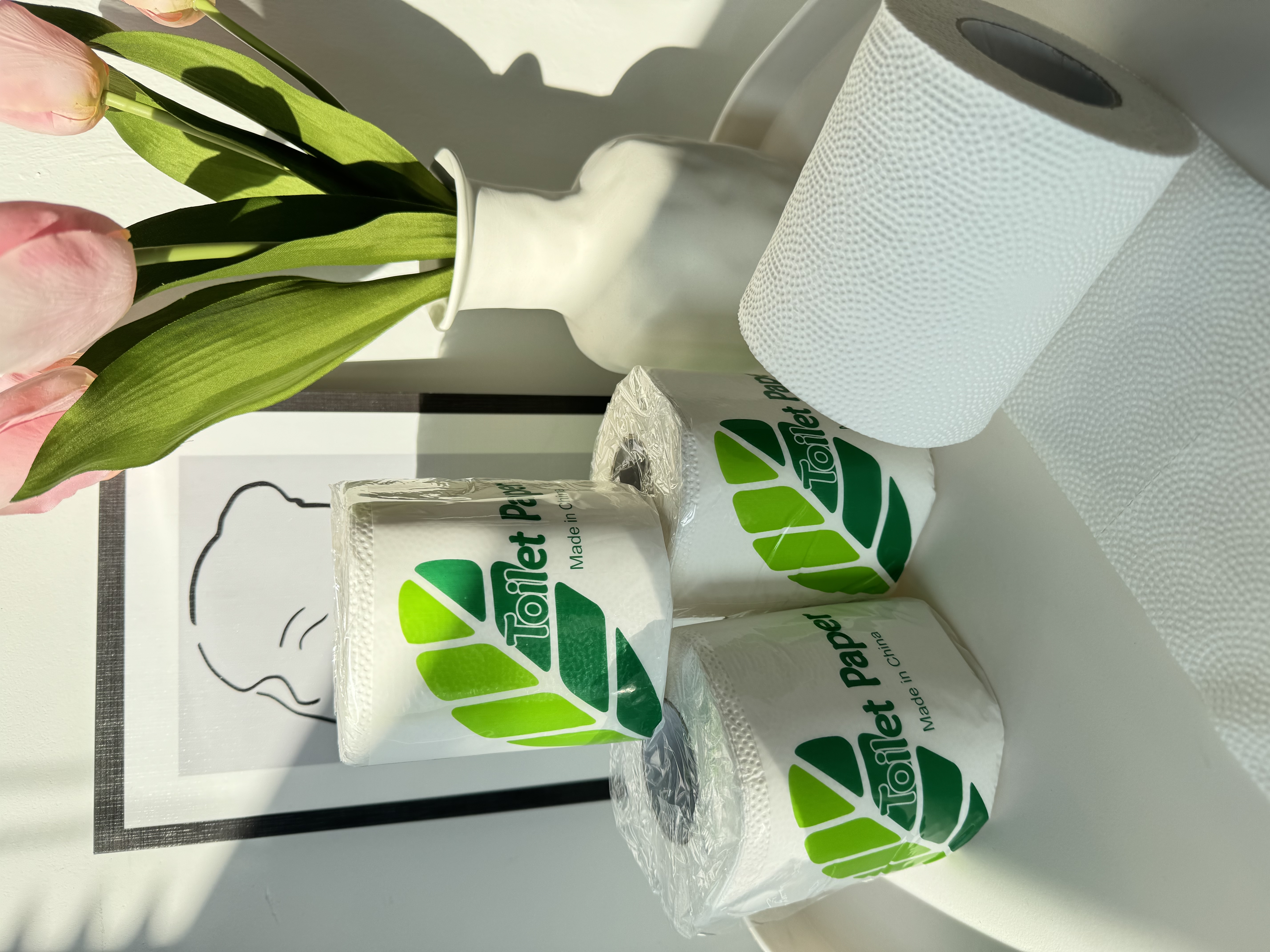
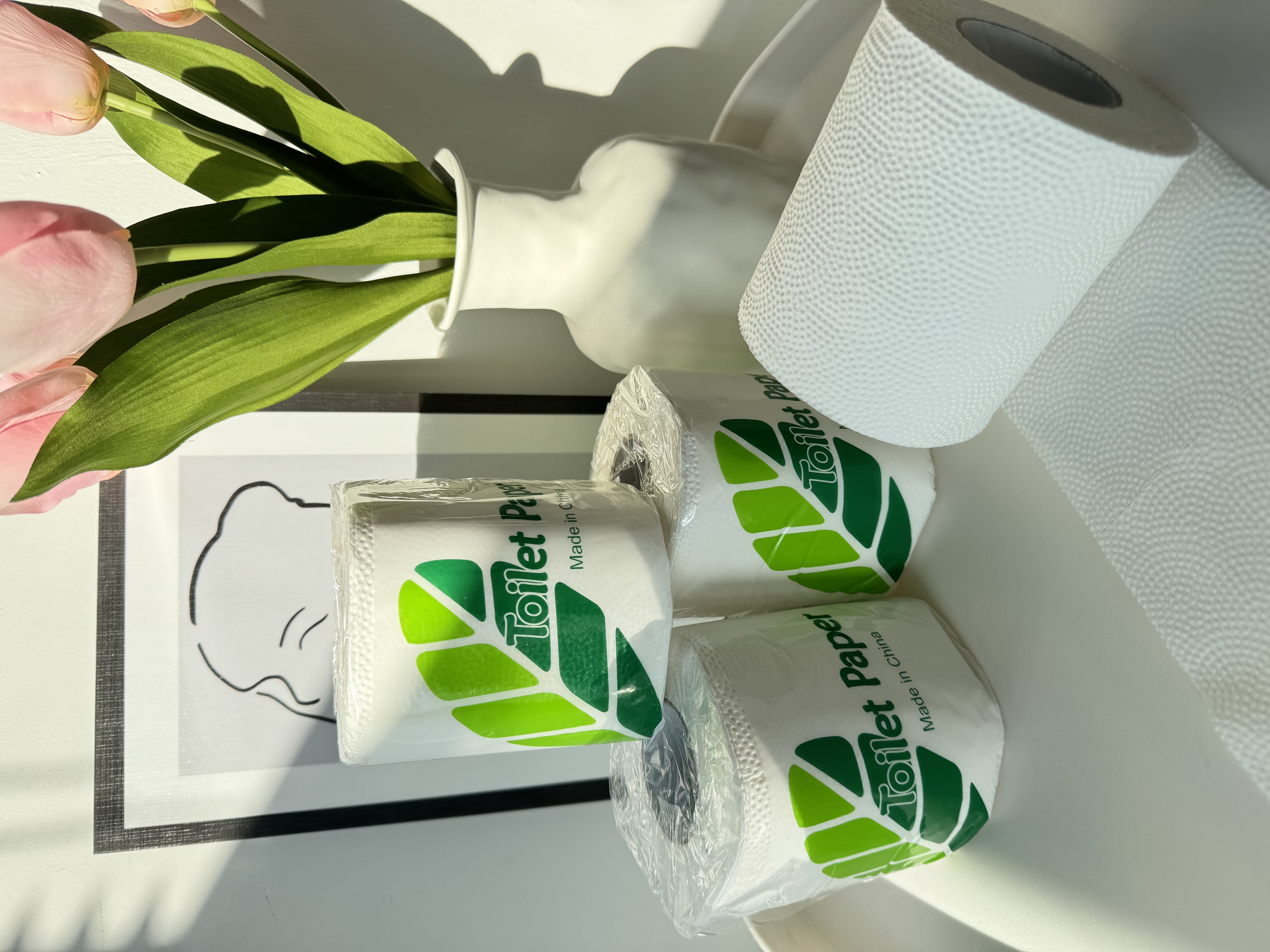
**A History Unrolled: From Sticks to Softness**
While the concept of cleaning oneself after using the toilet is as old as humanity itself, the idea of dedicated toilet paper is surprisingly recent in the grand scheme of things. For centuries, people around the world used a variety of methods, many of which seem rather primitive to our modern sensibilities. In ancient Rome, communal sponges on sticks were common. In other cultures, leaves, corn cobs, wool, or even snow were used. The wealthy might have used fabric.
The first recorded use of paper specifically for hygienic purposes dates back to 6th century China. Emperor Yang of the Sui dynasty is said to have used paper for this purpose. By the 14th century, large-scale production of toilet paper was occurring in China, with rolls measuring two feet by three feet and even perfumed versions for the imperial court.
However, this practice didn't immediately catch on in the West. For a long time, people in Europe and America continued to use whatever was readily available – newspapers, catalogs (particularly the Sears Roebuck catalog was popular in the US due to its soft paper), or even just water and a hand.
The breakthrough for modern toilet paper as we know it came in the mid-19th century. In 1857, Joseph Gayetty of New York created the first commercially packaged toilet paper in the United States. His product, "Gayetty's Medicated Paper," was infused with aloe and marketed as a medical product to prevent hemorrhoids. While innovative, it wasn't a runaway success, partly due to people's reluctance to discuss such a private matter and the fact that it was sold in flat sheets, not rolls.
The invention that truly revolutionized toilet paper was the perforated roll. In 1890, the Scott Paper Company began manufacturing toilet paper on rolls, making it much more convenient and easy to use. However, even then, it wasn't widely advertised, still being considered a somewhat taboo topic. The early 20th century saw further improvements, including the development of softer paper and the removal of splinters (a common complaint about early paper!).
The mid-20th century saw toilet paper become a true household staple, with brands like Charmin and Northern Tissue (later Northern) emerging and popularizing the concept of softness and luxury. Advertising shifted from focusing on hygiene to emphasizing comfort and absorbency. The 1970s saw the rise of colored toilet paper, a trend that has largely faded today due to environmental concerns and potential health impacts.
**Beyond the Basics: Understanding Toilet Paper Technology**
Today's toilet paper is a far cry from its early ancestors. It's a product of sophisticated engineering and material science. The key to its performance lies in its composition and manufacturing process.
Most toilet paper is made from either virgin wood pulp or recycled paper. Virgin pulp comes from trees, primarily softwood and hardwood. Softwood fibers are longer and provide strength, while hardwood fibers are shorter and contribute to softness. Recycled paper can be a mix of post-consumer waste (like newspapers and magazines) and pre-consumer waste (like scraps from paper mills).
The manufacturing process involves several steps:
1. **Pulping:** The wood chips or recycled paper are mixed with water and chemicals to break them down into a fibrous pulp.
2. **Beating:** The pulp is then "beaten" to further separate and refine the fibers, influencing the paper's strength and softness.
3. **Forming the Sheet:** The pulp is spread onto a moving screen to form a thin sheet, with water draining away.
4. **Pressing:** The sheet is pressed between rollers to remove more water and consolidate the fibers.
5. **Drying:** The paper is dried using heated cylinders.
6. **Creping:** This is a crucial step for softness and absorbency. The paper is scraped off a drying cylinder with a blade, creating tiny folds or "crepes" that increase the surface area and make the paper feel softer and more absorbent.
7. **Embossing and Laminating:** Many modern toilet papers are embossed with patterns. This not only adds visual appeal but also helps to create air pockets, which contribute to softness and absorbency. Multi-ply toilet paper (two or more layers) is created by laminating these individual sheets together.
8. **Perforating and Rolling:** Finally, the large paper rolls are perforated and cut into smaller rolls for consumer use.
The number of plies (layers) significantly impacts the feel and performance of toilet paper. Single-ply is the thinnest and often the least expensive, while two-ply and even three-ply offer increased softness, strength, and absorbency. The density and length of the fibers, the creping process, and the use of chemicals also play a role in determining the final product's characteristics.
**The Environmental Equation: A Tale of Trees and Water**
While undeniably convenient and hygienic, traditional toilet paper production has a significant environmental footprint. The primary concern is the reliance on virgin wood pulp, which contributes to deforestation. Millions of trees are harvested each year to produce toilet paper globally. This deforestation can lead to habitat loss, reduced biodiversity, and contribute to climate change.
The manufacturing process itself is also resource-intensive. It requires large amounts of water and energy, and the use of chemicals for pulping and bleaching can lead to water pollution.
However, the toilet paper industry is increasingly facing pressure to become more sustainable. Recycled toilet paper is a popular alternative, reducing the need for virgin pulp and diverting waste from landfills. While some argue that recycled toilet paper can be less soft or strong, significant advancements have been made in recent years to improve its quality.
Another growing trend is the use of alternative fibers, such as bamboo or sugarcane bagasse (the fibrous residue left after sugarcane is processed). Bamboo is a fast-growing grass that requires less water and no pesticides, making it a more sustainable option than traditional wood pulp.
Consumers can make a difference by choosing toilet paper made from recycled materials or sustainable alternative fibers. Looking for certifications like FSC (Forest Stewardship Council) ensures that the wood pulp used comes from responsibly managed forests.
**Choosing Your Roll: Factors to Consider**
With so many options on the market, choosing the right toilet paper can seem overwhelming. Here are some factors to consider:
* **Ply:** Single-ply is economical but less absorbent. Two-ply is a good balance of cost and performance. Three-ply offers the most softness and absorbency but is also the most expensive.
* **Material:** Virgin pulp offers maximum softness and strength. Recycled paper is more environmentally friendly. Alternative fibers like bamboo offer a sustainable option.
* **Softness vs. Strength:** Some toilet papers prioritize softness, while others focus on strength to prevent tearing. Consider your personal preference.
* **Absorbency:** A more absorbent toilet paper can mean using less per wipe.
* **Environmental Impact:** Consider the source of the fibers and look for certifications.
* **Price:** Toilet paper prices vary significantly based on brand, ply, and material.
**Beyond the Bathroom: Unexpected Uses**
While its primary purpose is clear, toilet paper can be surprisingly versatile. In a pinch, it can be used as a makeshift tissue, a quick way to clean up small spills, or even in craft projects (think papier-mâché!). During times of scarcity, its value becomes even more apparent, as demonstrated by the panic buying seen during the early stages of the COVID-19 pandemic.
**The Future of Flushable:**
The future of toilet paper may involve even more sustainable options and potentially a shift towards alternatives like bidets, which use water for cleaning and can significantly reduce or eliminate the need for toilet paper. However, for now, toilet paper remains an indispensable part of modern life.
**Conclusion:**
From its humble beginnings as a luxury item in ancient China to the high-tech, multi-ply rolls we use today, toilet paper has a fascinating history and a significant impact on our lives and the environment. Understanding its journey, how it's made, and the choices available to us allows us to appreciate this everyday essential in a new light. The next time you reach for a roll, take a moment to consider the complex world it represents – a world of history, technology, and environmental responsibility.
ReviewsNumber of comments: {{ page.total }}
I want to comment?
{{item.nickname ? (item.nickname.slice(0, 2) + '*****') : item.source === 1 ? 'mall buyer' : '--'}}
{{item.comment_time}}
Review in the {{item.country}}
Reviews
Merchant
{{replyItem.nickname ? (replyItem.nickname.slice(0, 2) + '*****') : replyItem.source === 1 ? 'mall buyer' : '--'}}
{{replyItem.parent_nickname ? (replyItem.parent_nickname.slice(0, 2) + '*****') : '--'}}
{{replyItem.is_merchant_reply === 1 ? replyItem.reply_time : replyItem.comment_time}}
Review in the {{replyItem.country}}
Reviews

No customer reviews
recommended for you
Get in touch with us
Zibo Langqiao Biotechnology Co., Ltd. is an enterprise focusing on the export of high-end household paper. We are a professional toilet paper bulk manufacturer of disposable adult diapers, under pads, sanitary napkins, and pet urine pads, etc.
QUICK LINKS
PRODUCTS
CONTACT US
Email: lynn@cnlangqiao.cn
Phone: +86 19862230536
Phone: +86 19862230536
WhatsApp: +86 19862230536
Address: Room 1406, Zhongde Building, No. 222, Renmin West Road, Zhangdian District, Zibo City, Shandong Province, China
Address: Room 1406, Zhongde Building, No. 222, Renmin West Road, Zhangdian District, Zibo City, Shandong Province, China
social media
Copyright © 2026 Zibo Langqiao Biotechnology Co., Ltd. - www.langqiaohygiene.com |Sitemap