Global reliable toilet paper manufacturer & wet tissue supplier with over 15 years OEM&ODM experience



Wet Toilet Paper: A Comprehensive Guide for Hygienic and Comfortable Personal Care
2025-11-26
In recent years, wet toilet paper has gained popularity among consumers due to its softness, comfort, and thorough cleaning capabilities. So, what exactly is wet toilet paper? Is it paper used to clean the toilet? Is it a type of wet wipe? Are its ingredients safe? Can it cause skin sensitivity? Can regular wet wipes be used as a substitute for wet toilet paper? What makes wet toilet paper better than traditional toilet paper? And how should you choose the right wet toilet paper?
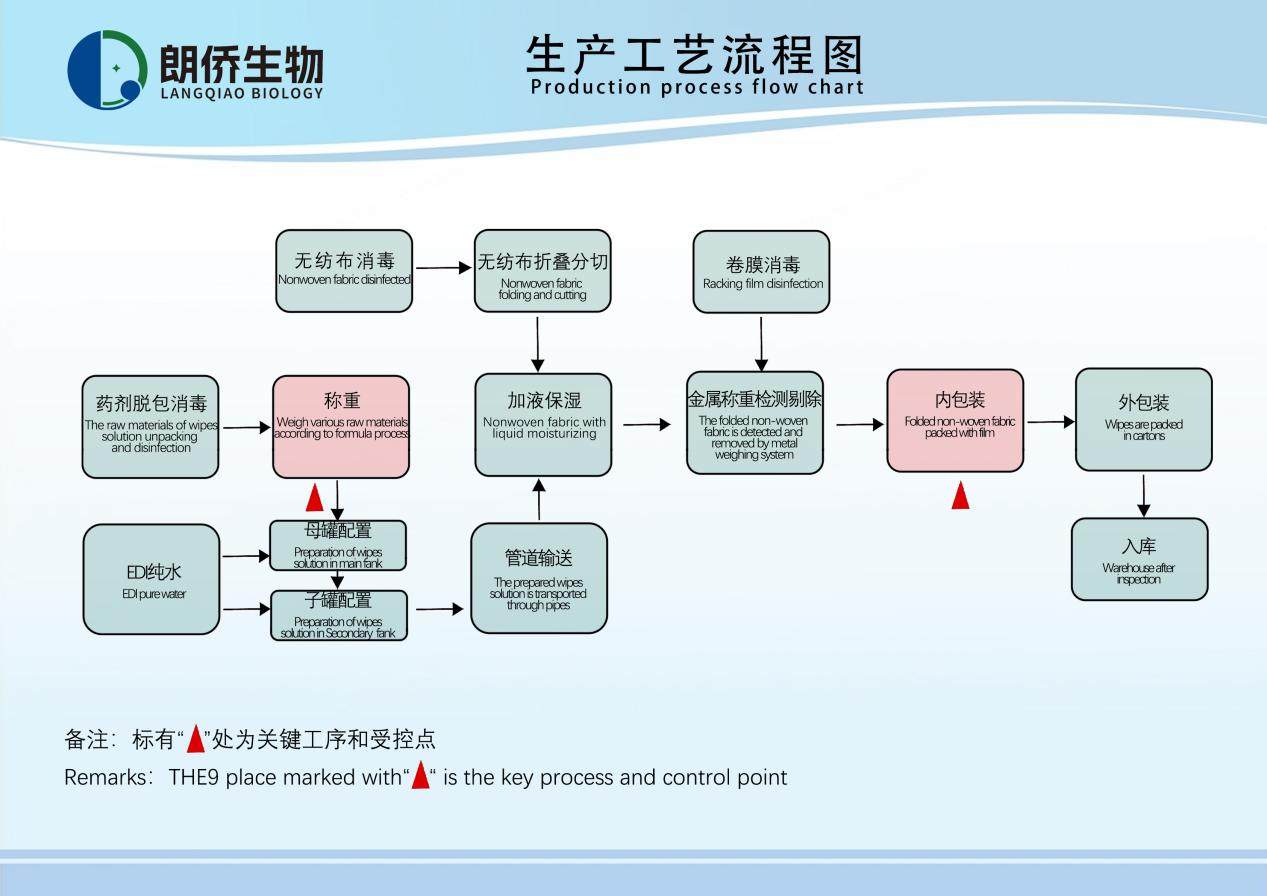
Question 1: What is wet toilet paper, and can wet wipes be used instead?
Although it’s called "paper," wet toilet paper isn’t actually paper—it’s technically a type of wet wipe specifically designed for toilet use. It provides a more thorough clean for removing impurities such as waste and menstrual blood.
Wet wipes should not be used as a substitute for wet toilet paper. First, these two products serve different purposes and have distinct characteristics. After using wet toilet paper, the moisture left on the skin should evaporate quickly to keep the perianal area dry, preventing bacterial growth.
There are many types of wet wipes—some contain alcohol, while others, like kitchen wipes, include specialized cleaning agents. These types of wipes are not suitable for cleaning sensitive skin like that in the intimate area. Even wipes designed for skin cleansing often contain moisturizing ingredients that slow down moisture evaporation. If you must use wet wipes in a pinch, it’s advisable to follow up with dry toilet paper to remove any residual moisture and prevent skin discomfort caused by prolonged dampness.
Additionally, wet wipes and wet toilet paper differ in materials and manufacturing processes. Wet toilet paper is typically made from wood pulp and viscose fibers using hydroentanglement non-woven technology, making most varieties flushable. In contrast, wet wipes are often made from materials like polyester or polypropylene fibers, which do not break down easily and should not be flushed, as they can cause toilet blockages.
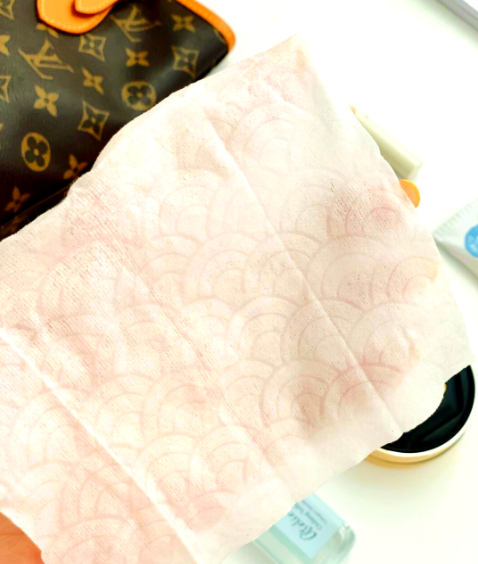
Question 2: Can wet toilet paper be used to wipe the mouth?
This question should be answered from the perspective of ingredient safety. Wet toilet paper ingredients mainly involve two aspects—the base material and the liquid solution.
The base material used in wet toilet paper is hydroentangled non-woven fabric, primarily made from wood pulp and viscose fibers. Both materials are derived from widely available natural plants and are biodegradable, renewable, and environmentally friendly.
The liquid components usually include water and active extracts (providing moisturizing and soothing effects), with some products containing surfactants (to enhance cleaning). These ingredients must comply with national standards to ensure they do not cause skin or mucosal irritation or allergic reactions.
While the base materials and liquid components seem safe for wiping hands or face, it is not recommended to use wet toilet paper for the mouth. Firstly, wipes designed for oral contact must pass oral toxicity tests, which wet toilet paper generally does not undergo. Secondly, the intended usage environments differ, so they should not be considered interchangeable.
Question 3: How should I choose a wet toilet paper product?
When selecting wet toilet paper, consider the following factors:
First, check if the product is flushable. Flushable wet toilet paper is typically made from biodegradable cellulose fibers, making it more eco-friendly. Look for packaging labeled "flushable," "can be disposed of in the toilet," or similar indications. However, even if labeled flushable, it’s best not to flush more than two sheets at once to avoid potential blockages.
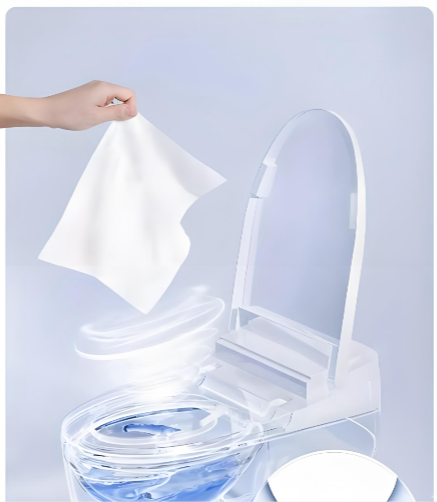
Next, examine the liquid ingredients. Wet toilet paper made with pure water is generally a safe choice. Additionally, some products are tailored for specific needs. For example, certain manufacturers offer wet toilet paper designed for feminine intimate care or menstrual use. These products undergo vaginal mucosal testing and have a pH level close to that of the vaginal environment (slightly acidic), reducing the risk of skin irritation. Some variants also include skin-friendly active extracts to soothe the skin. Moreover, the soft and comfortable texture of wet toilet paper makes it suitable for individuals with hemorrhoids.
Lastly, consider the post-processing techniques. If the above two criteria are met, the product should be safe to use. For an enhanced experience, opt for wet toilet paper with surface treatments like embossing, which improves cleaning efficiency during use.
ReviewsNumber of comments: {{ page.total }}
I want to comment?
{{item.nickname ? (item.nickname.slice(0, 2) + '*****') : item.source === 1 ? 'mall buyer' : '--'}}
{{item.comment_time}}
Review in the {{item.country}}
Reviews
Merchant
{{replyItem.nickname ? (replyItem.nickname.slice(0, 2) + '*****') : replyItem.source === 1 ? 'mall buyer' : '--'}}
{{replyItem.parent_nickname ? (replyItem.parent_nickname.slice(0, 2) + '*****') : '--'}}
{{replyItem.is_merchant_reply === 1 ? replyItem.reply_time : replyItem.comment_time}}
Review in the {{replyItem.country}}
Reviews

No customer reviews
recommended for you
Get in touch with us
Zibo Langqiao Biotechnology Co., Ltd. is an enterprise focusing on the export of high-end household paper. We are a professional toilet paper bulk manufacturer of disposable adult diapers, under pads, sanitary napkins, and pet urine pads, etc.
QUICK LINKS
PRODUCTS
CONTACT US
Email: lynn@cnlangqiao.cn
Phone: +86 19862230536
Phone: +86 19862230536
WhatsApp: +86 19862230536
Address: Room 1406, Zhongde Building, No. 222, Renmin West Road, Zhangdian District, Zibo City, Shandong Province, China
Address: Room 1406, Zhongde Building, No. 222, Renmin West Road, Zhangdian District, Zibo City, Shandong Province, China
social media
Copyright © 2026 Zibo Langqiao Biotechnology Co., Ltd. - www.langqiaohygiene.com |Sitemap