Global reliable toilet paper manufacturer & wet tissue supplier with over 15 years OEM&ODM experience



The Versatility of Wood and Blended Pulp in Tissue Production
2024-12-04
For buyers and distributors in the tissue paper market, understanding the various raw materials available is necessary to make an informed decision. While bamboo pulp offers unique advantages, wood pulp and blended pulp also play a key role in tissue paper production. This article will take an in-depth look at these materials, highlighting their features and benefits.
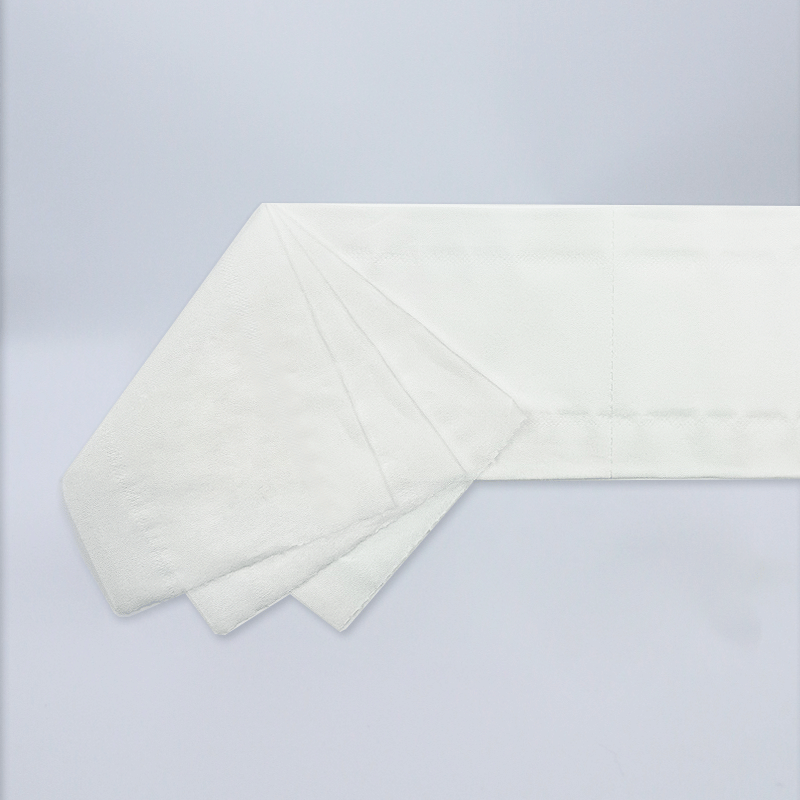
The Strength of Wood Pulp
For many, wood pulp, taken from hardwood and softwood trees, has been the traditional source of raw material for tissue paper. One of its main advantages is the excellent tensile strength it provides which is essential to ensure that tissue paper products are defect-free and durable. Buyers seeking strong and durable long-lasting tissue paper may prefer products made from pure wood pulp, a material known for its resilience during use and storage.
Pulp: The Best Blend The Best of Both Worlds Blended pulp
presents an interesting option, combining wood and bamboo fibers to create a versatile raw material that leverages the strengths of both sources. This blend offers a balanced combination of softness, absorbency and strength, allowing manufacturers to meet the preferences of different consumers. For distributors, offering blended pulp products means tapping into the dietary fiber market segment, as these products can appeal to consumers seeking both performance and sustainability. #####Cost Efficiency From a cost perspective, wood pulp is more affordable than bamboo pulp.
This pricing advantage can be beneficial for distributors seeking to optimize production costs while still offering a quality tissue product. Blended pulp can also offer cost-effectiveness to price-sensitive markets.
ReviewsNumber of comments: {{ page.total }}
I want to comment?
{{item.nickname ? (item.nickname.slice(0, 2) + '*****') : item.source === 1 ? 'mall buyer' : '--'}}
{{item.comment_time}}
Review in the {{item.country}}
Reviews
Merchant
{{replyItem.nickname ? (replyItem.nickname.slice(0, 2) + '*****') : replyItem.source === 1 ? 'mall buyer' : '--'}}
{{replyItem.parent_nickname ? (replyItem.parent_nickname.slice(0, 2) + '*****') : '--'}}
{{replyItem.is_merchant_reply === 1 ? replyItem.reply_time : replyItem.comment_time}}
Review in the {{replyItem.country}}
Reviews

No customer reviews
recommended for you
Get in touch with us
Zibo Langqiao Biotechnology Co., Ltd. is an enterprise focusing on the export of high-end household paper. We are a professional toilet paper bulk manufacturer of disposable adult diapers, under pads, sanitary napkins, and pet urine pads, etc.
QUICK LINKS
PRODUCTS
CONTACT US
Email: lynn@cnlangqiao.cn
Phone: +86 19862230536
Phone: +86 19862230536
WhatsApp: +86 19862230536
Address: Room 1406, Zhongde Building, No. 222, Renmin West Road, Zhangdian District, Zibo City, Shandong Province, China
Address: Room 1406, Zhongde Building, No. 222, Renmin West Road, Zhangdian District, Zibo City, Shandong Province, China
social media
Copyright © 2026 Zibo Langqiao Biotechnology Co., Ltd. - www.langqiaohygiene.com |Sitemap